
Winter Solstice: What the Darkest Day Teaches Us
The winter solstice marks the shortest day and longest night of the year. Across cultures, it has long been honored as a sacred pause—a moment to slow down, turn inward, and trust that light will return. I got inspired today to theme a yin yoga class I taught today around Winter Solstice, especially when it happened to be Winter Solstice when I taught it. And if you didn’t know, yep, I am also a yoga teacher in addition to being a therapist.
In both yoga and therapy, the winter solstice offers a powerful metaphor for healing: growth does not always happen in brightness or productivity. Sometimes, it happens in rest, stillness, and deep listening.
What Is the Winter Solstice?
The winter solstice occurs when the Earth’s axis tilts farthest from the sun, resulting in the least amount of daylight. In the Northern Hemisphere, this typically falls around December 21st and it so happened that today is a dreary, rainy day in addition to it being December 21st.
Symbolically, the solstice represents:
An ending and a beginning
Descent into darkness followed by the gradual return of light
A natural invitation to rest, reflect, and recalibrate
This seasonal shift mirrors what many people experience emotionally during winter—lower energy, heightened introspection, and a desire to withdraw and simplify.
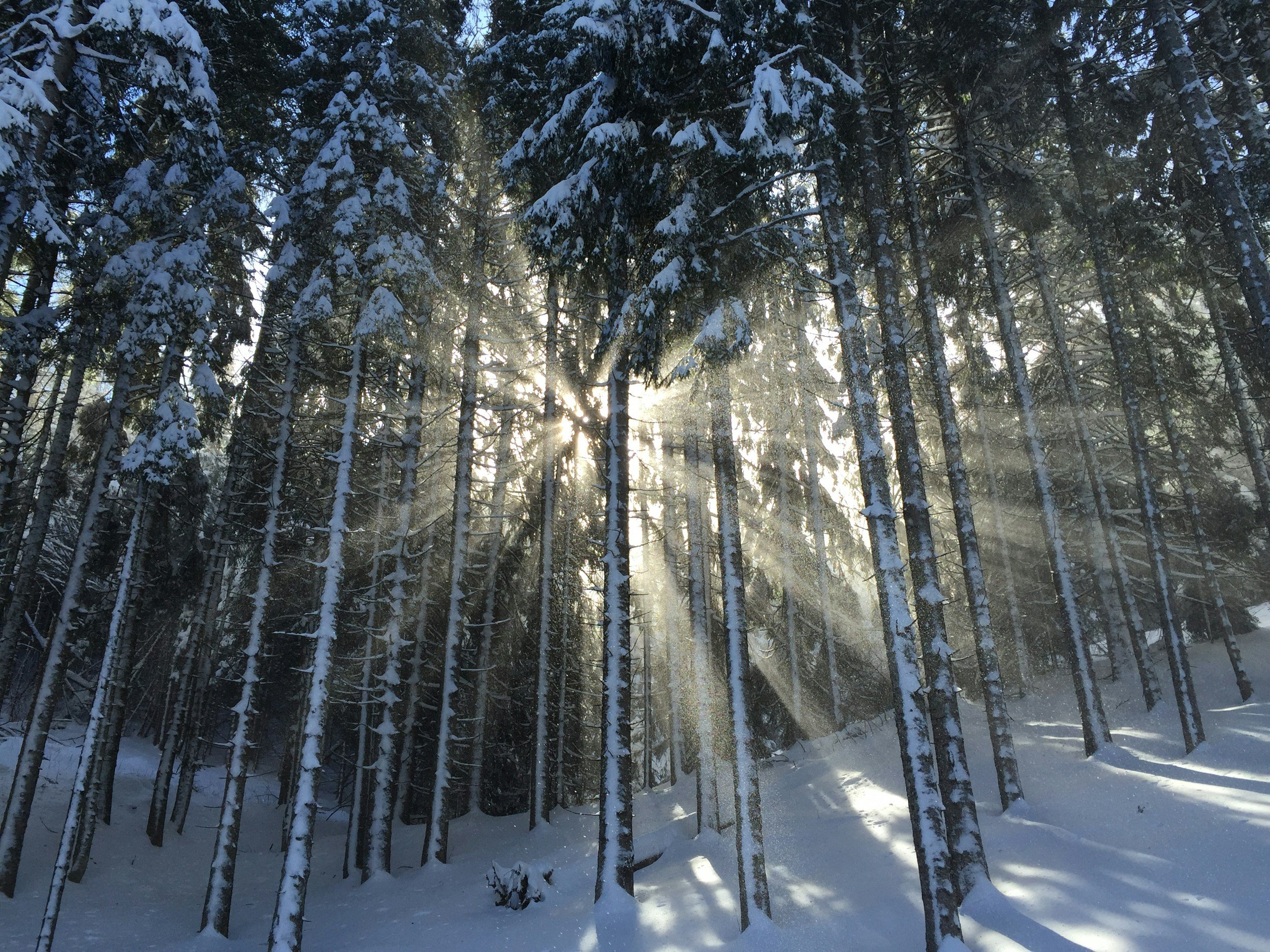
Winter Solstice and Yoga: Honoring Stillness
Yoga philosophy teaches that we are not meant to live in constant activation.
The winter solstice aligns with yin energy—slow, receptive, and internal.
How Yoga Reflects the Solstice
Yin yoga emphasizes long-held postures that gently stress connective tissue and invite stillness.
Practices often focus on grounding poses, forward folds, and hip openers—areas associated with storage, safety, and emotional holding.
Breath becomes quieter and more subtle, supporting nervous system regulation rather than stimulation.
Rather than pushing for flexibility or strength, winter yoga practices encourage listening to the body, respecting limits, and allowing sensations to arise without urgency to change them.
This mirrors an essential lesson of healing: presence comes before transformation.
Winter Solstice and Therapy: The Healing Power of the Dark
In therapy, periods of emotional “darkness” are often misunderstood or rushed. Yet the solstice reminds us that darkness is not pathology—it is part of the cycle.
Therapeutic Themes of the Winter Solstice
Introspection: Turning inward to understand patterns, wounds, and needs
Grief and Loss: Making space for what has ended or cannot be changed
Rest and Repair: Allowing the nervous system to downshift after chronic stress or trauma
Non-linear Healing: Trusting that progress doesn’t always look like forward motion
For trauma survivors especially, winter can intensify symptoms like fatigue, dissociation, or depression. A solstice-informed therapeutic approach normalizes these experiences and reframes them as signals for care rather than failure.
Yoga and Therapy Together: Seasonal Healing for the Nervous System
Both yoga and therapy support nervous system regulation, which is deeply impacted by seasonal changes.
During the winter solstice:
Shorter days can dysregulate circadian rhythms
Cold weather often reduces movement and social contact
The body naturally seeks conservation rather than expansion
Integrating gentle yoga practices with therapy during this season can:
Support vagal tone and parasympathetic activation
Increase interoceptive awareness (this is awareness of our body’s internal cues and sensations)
Reduce shame around rest and low energy, particularly restorative rest.
Focus on Being versus Doing
Encourage self-compassion and pacing
This is not a season for pushing through—it is a season for tending.
Winter Solstice as a Therapeutic Metaphor
In therapy, the solstice can be used as a reflective framework:
What feels dormant but not dead? We can’t physically see what’s happening in the soil, but the seeds are getting ready to bloom after winter.
What needs rest before it can grow?
What light are you trusting will return, even if you can’t feel it yet?
Just as the days slowly lengthen after the solstice, healing often unfolds gradually, subtly, and beneath the surface before it becomes visible. As a reminder, it’s often the small changes we notice, the micromovements that we are quick to brush off or minimize. I love when my clients share their “small wins!”
Honoring the Solstice in Personal Practice
Whether through yoga, therapy, or personal ritual, winter solstice invites intentional slowing down.
You might explore:
Gentle yin or restorative yoga
Journaling on endings, intentions, and self-forgiveness
Therapy sessions focused on reflection rather than problem-solving
Reducing expectations and honoring capacity
Honoring our limits
Healing does not require constant illumination. Sometimes, it requires learning how to be with yourself in the dark.
Final Thoughts: Trusting the Cycle
The winter solstice teaches us that darkness is not something to bypass—it is something to move through with care. In both yoga and therapy, healing is cyclical, seasonal, and deeply human.
As the light returns slowly, so does our capacity for movement, connection, and growth. Until then, rest is not avoidance or laziness. Rest is also not quitting. Stillness is not stagnation or emptiness. And the dark is not the end. Sometimes the most powerful thing we can do is trust the quiet and the stillness.
If you’re looking for a therapist to help you learn more about embracing stillness, learning how to “be” and leaving behind old narratives and stories, I offer therapy for eating disorders, trauma, and anxiety in Marietta, GA, Coconut Creek, FL and virtually across GA, FL and SC.