
Hyperindependence Isn't a Personality Trait (It's Probably a Trauma Response)
"I'm Fine. I've Got It."
Be honest, how many times a day do you say this?
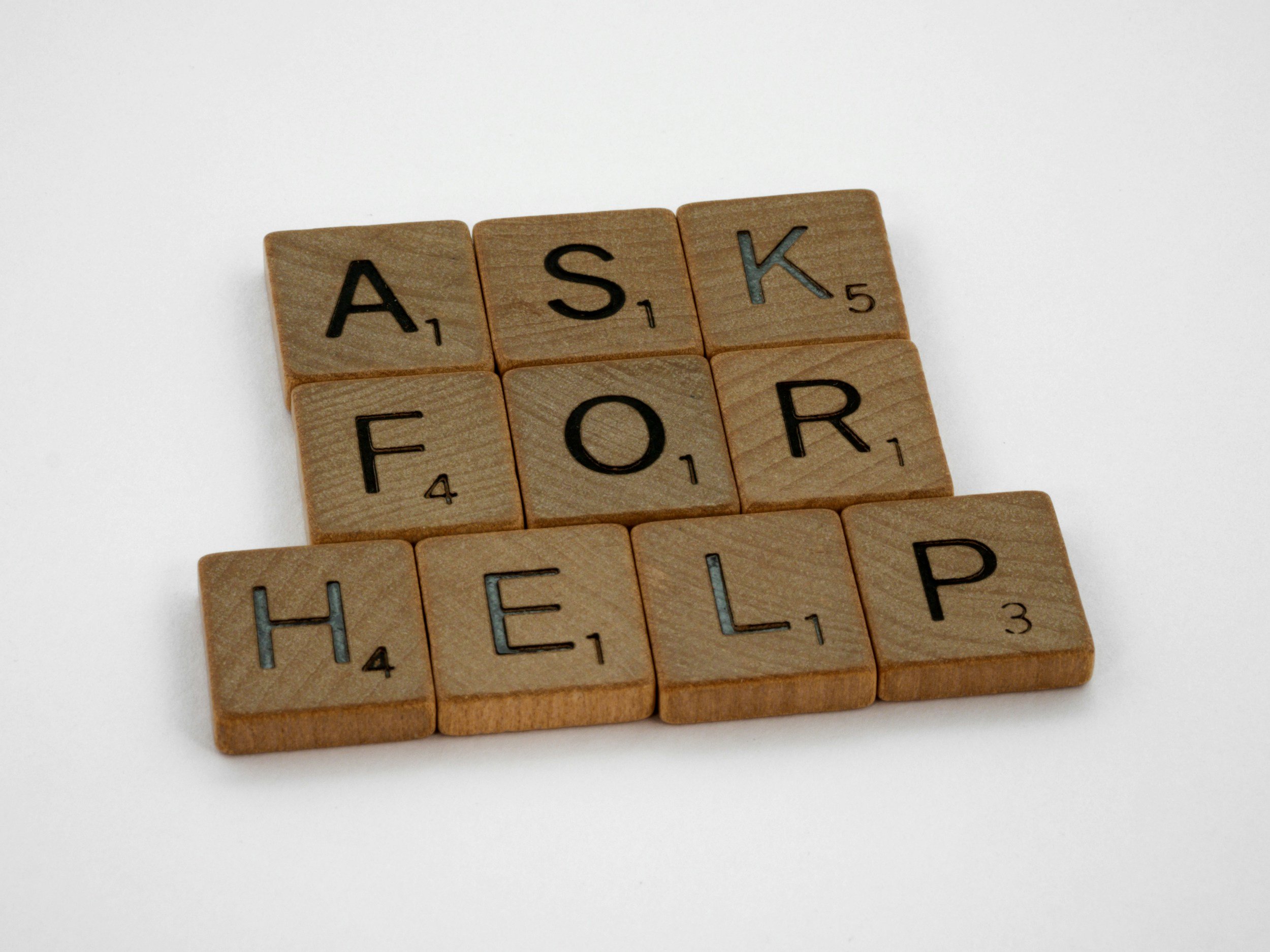
You don't ask for help.
You'd rather spend three hours figuring something out by trial by error than ask someone a question.
You carry everyone else's baggage (emotional and literal), but would rather wrestle an alligator than admit you're struggling.
Sound familiar?
Our culture loves independence. We celebrate the people, especially women, who "have it all together," never need anything, and somehow manage to keep every plate spinning.
But here's the plot twist:
Sometimes that fierce independence isn't confidence. It's protection.
As therapist of close to 20 years now, I often work with people who discover that their hyperindependence isn't a personality quirk or a stubborn streak. It's something their nervous system learned a long time ago to stay safe. Trust me, I was surprised too when I learned about this.
The good news? If your brain learned it, your brain can also learn something new and it can be integrated.
When Independence Becomes "I'll Just Do It Myself"
There's absolutely nothing wrong with being independent.
Being able to care for yourself is healthy.
But, like most things, independence exists on a spectrum.
Hyperindependence is different. It’s on the extreme end.
It's that little voice that says:
"I'll just do it."
"It's easier if I don't depend on anyone."
"Nobody does it right anyway."
"I don't want to be a burden."
"If I need someone, they'll probably disappoint me."
At first glance, these thoughts can sound practical.
Underneath them is often something much more tender: a fear that relying on someone else isn't emotionally safe.
So...Where Does This Come From?
Spoiler alert: no toddler wakes up one morning thinking,
"You know what? Emotional vulnerability seems risky. I'll simply become radically self-sufficient forever."
Children are wired to depend on caregivers.
When caregivers consistently provide comfort, safety, and emotional support, children learn that relationships can be trusted.
But when those experiences are inconsistent, or missing altogether, the brain adapts.
Hyperindependence often grows out of experiences like:
Emotional neglect
Parentification (becoming the responsible one way too early)
Growing up with unpredictable caregivers
Chronic criticism
Attachment wounds
Emotional invalidation
Betrayal
Abandonment
The nervous system quietly files away an important lesson:
"Depending on people feels risky. It’s just not safe."
So it creates a backup plan:
"I'll depend on me."
Honestly? That's a pretty smart survival strategy. It definitely helped you get to where you are today.
It just isn't always the most enjoyable one to live with as an adult.
Your Parts Aren't Being Difficult
One of the reasons we love Internal Family Systems (IFS) is because it replaces shame with curiosity.
Instead of asking, "Why am I like this?" We ask, “When did I learn this?"
Hyperindependence is often driven by what IFS calls a manager part.
Managers are the overachievers of your internal system. Any overachievers in the room?
They're constantly thinking three steps ahead to make sure you never have to feel old pain again.
They sound like:
"Keep it together."
"Don't need anyone."
"Stay productive."
"Don't let people see you're struggling."
"You've got this...even if you're running on caffeine and determination."
They're not trying to make your life harder. Really, they aren’t.
They're trying to make sure you never get hurt the way you were before.
That's actually pretty sweet...even if they're a little exhausting.
The Real Fear Usually Isn't Asking for Help
It's what asking for help might mean.
Deep down, many people with hyperindependence carry beliefs like:
"I'll be rejected."
"I'll owe someone."
"I'll be seen as weak."
"I'll be too much."
“I can’t trust anyone.”
Those beliefs don't appear out of nowhere.
They usually started in relationships where vulnerability wasn't consistently met with care.
So your nervous system made a deal:
No vulnerability = less risk.
Unfortunately, it also becomes:
Less vulnerability = less connection.
Your Nervous System Isn't Anti-People
It's pro-survival.
That's an important distinction.
Many clients tell me,
"I want close relationships...I just don't know why they feel so uncomfortable."
The answer often isn't a lack of desire.
It's a nervous system that's still operating with yesterday's safety manual.
Healing isn't convincing yourself to trust people.
Healing is helping your body experience that safe people actually exist.
How EMDR Helps
This is where EMDR can be incredibly powerful.
Instead of simply telling yourself,
"I should ask for help more,"
EMDR helps process the experiences that taught your brain not to for help.
As those memories become less emotionally charged, something surprising starts to happen.
You may notice yourself:
Accepting help without apologizing seventeen times.
Letting someone support you without feeling guilty.
Trusting your own judgment and other people.
Realizing you don't have to earn care by being endlessly capable.
Starting to trust that people want to help you and will be there for you.
That's not becoming dependent.
That's becoming flexible.
It’s about making a choice. It’s about making a choice when younger you did not have that choice.
Healing Doesn't Mean Becoming Helpless
This is probably one of the biggest myths I hear.
People worry,
"If I let my guard down, I'll stop being successful."
Not even close.
Healing doesn't erase your independence.
It simply gives you options.
You can still be capable.
Still ambitious.
Still organized.
Still the person who remembers everyone's birthday.
But now you also get to receive support, ask for help, and believe that your worth isn't measured by how much you can carry alone.
Turns out, that's a lot less exhausting. Like, a lot.
Maybe You Don't Need to Carry Everything
If reading this feels a little uncomfortably familiar, know this:
There is nothing "wrong" with you.
Your nervous system adapted to the environment it was given.
It found a way to protect you.
And chances are, it did an incredible job. You wouldn’t be reading this if it didn’t.
Now it may simply be time to update the strategy.
Through EMDR and IFS, it's possible to honor the part of you that became fiercely independent while helping it discover something new:
You can still be strong.
You can still be capable.
And sometimes, letting someone help you carry the groceries (or the emotional baggage) is actually a sign of healing—not weakness.
At Resilient Counseling, we help adults heal from attachment trauma, anxiety, and relational wounds using EMDR and IFS so they can build relationships that feel safer, lighter, and a whole lot less lonely.
Because surviving by yourself got you this far.
You don't have to keep doing it alone.
Final Thoughts
At Resilient Counseling, we provide trauma-informed therapy for anxiety, trauma, and eating disorders. We help clients understand the connection between their nervous system, past experiences, and current symptoms so they can move toward greater calm, confidence, and resilience.
If asking for help makes you feel nauseous, support is available.